
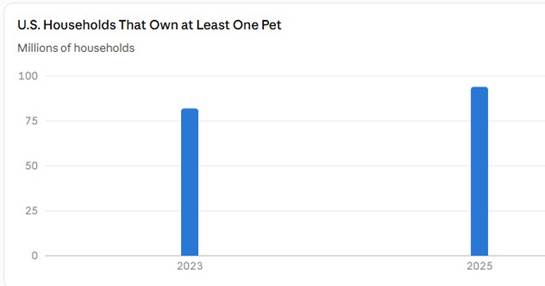
Your next great tenant might come with four legs and a leash. Pet ownership keeps climbing across the country. According to the American Pet Products Association, 94 million U.S. households now own at least one pet, up from 82 million in 2023. That’s a lot of furry companions looking for a place to live.
For rental property owners in Folsom, this raises a big question. Should you allow pets in your Folsom rental? Weighing the risks and rewards takes more than a gut feeling. A “no pets” rule shuts out many renters. A loose policy can lead to costly repairs. Before you welcome pets in your rental, it helps to know exactly what you’re signing up for.
Get to know the real pros and cons of a pet-friendly policy below, plus the steps that keep your property protected. Read on.
Key Takeaways
- Pet ownership keeps climbing, so pet-friendly rentals reach a much larger renter pool.
- Pet rent and longer tenancies can strengthen your rental income over time.
- Damage, noise, and liability are real risks that a strong pet addendum can reduce.
- Thorough screening and regular inspections keep a pet-friendly policy working for you.
In This Guide
|
The Rewards of Allowing Pets in Your Folsom Rental
Allowing pets opens doors that a strict policy keeps shut. Here are the benefits of allowing pets that matter most to property owners.
A Bigger Applicant Pool Shortens Vacancy Periods
With so many households owning pets, a no-pets rule cuts out a big slice of potential renters. Opening your doors to animals puts your listing in front of a larger pool of applicants right away. A broader pool also means you can be choosier. You get more chances to find responsible tenants with strong credit and steady income.
Pet Owners Tend to Stay Longer When They Find the Right Home
Moving with a dog or cat is stressful. Finding pet friendly rentals is even harder. Once tenants with pets find a good fit, many choose to renew rather than start the search over. That boosts tenant retention and tenant satisfaction. Fewer move-outs also mean lower turnover costs between leases.
Monthly Pet Rent Adds Steady Income
Many landlords charge pet rent to offset extra wear on the home. Monthly pet rent feels like a small add-on to the tenant. Over a full lease, it adds up to meaningful rental income. Pair it with a clear pet agreement so tenants know exactly what they’re paying for.
Pet-Friendly Listings Stand Out Against Competing Rentals
Pet friendly properties still feel scarce to many renters. Potential tenants often filter their searches by “pets allowed.” That gives your listing an instant edge. A pet friendly rental property with a fenced yard or other outdoor space can lease faster than similar homes nearby.
In short, a pet-friendly approach offers several benefits:
- Wider reach: More applicants see and apply for your home.
- Longer stays: Happy pet owners are more likely to renew.
- Extra income: Pet rent adds a steady monthly boost.
- Stronger listings: Your property stands out in local searches.
The Risks Pets Bring to a Rental Property
Every reward comes with tradeoffs. Here are the risks of allowing pets you should plan for before updating your lease agreement.
Damage Costs Can Exceed What the Deposit Covers
Pet damage is the top concern for most property owners. Young or untrained pets tend to scratch floors and chew trim, and the property damage pets cause usually shows up at move-out. In California, pet deposits and any refundable fee paid for a pet count toward the one-month security deposit cap for most landlords. If pet-related property damage runs high, the deposit may not cover it all.
Noise Complaints Strain Neighbor Relationships
Barking dogs can create noise that bothers other tenants and neighbors. Complaints pile up fast in duplexes and multifamily buildings, which can lead to lease disputes.
Certain Animals Raise Your Liability Exposure
Dog bites are a serious liability concern, and some insurers limit coverage for certain breeds. That’s why many owners set breed restrictions. Check your landlord policy before approving dogs and other animals.
Allergens and Odors Linger After Move-Out
Pet hair and odors can stick around long after a tenant leaves. Deep cleaning helps, but it adds time and cost between leases.
These potential risks are real. The good part is that a smart policy keeps most of them in check.
Residential Equity Management screens tenants and their pets with the same care, so you can collect pet-friendly income without guessing who’s moving in.
How to Build a Pet Policy That Protects Your Investment
A clear policy turns a gamble into a calculated decision. Here are the steps that keep your property and your tenants on the same page.
- Screen the pet along with the tenant. You already screen tenants, so screen pets too. Ask for vaccination records and review the pet’s behavior history, especially for dogs. A pet trained to be well behaved and well trained around people is a safer bet.
- Put your pet terms in a written addendum. A pet addendum attached to the lease agreement should cover how many pets are allowed and any limits on the pet’s breed. Strong pet policies also list pet rent and pet fees, including any refundable fee. State that the tenant is solely responsible for damage caused by the tenant’s pet.
- Require renters insurance. Ask for a policy with pet liability coverage, and request proof before move-in.
- Inspect regularly. Routine inspections catch small issues before they become costly repairs. Durable flooring also helps your home hold up against claws.
Service animals and emotional support animals are not considered pets. Under fair housing laws, assistance animals are exempt from pet rent, pet deposits, and breed restrictions, so your rules should cover household pets only. A good property manager keeps all of this consistent from one lease to the next.
Frequently Asked Questions
Q: Can Folsom landlords restrict certain dog breeds?
Generally yes, and the limits are often driven by insurance requirements. These restrictions cannot be applied to service or assistance animals.
Q: What happens if a tenant gets a pet without permission?
It’s typically a lease violation. The landlord should issue written notice and follow California’s notice-to-cure rules before taking further action.
Q: Can a landlord change the pet policy in the middle of a lease?
Not without the tenant’s written agreement. Most changes take effect at renewal.
The Final Verdict on Pets in Your Folsom Rental
Pets bring real upside to a rental. You gain access to a bigger tenant pool and a steady stream of pet rent. They also bring wear and occasional headaches. The difference comes down to your policy. With careful screening and a solid addendum, a pet friendly home can work for you and your tenants alike. Many rental property owners find the rewards outweigh the risks once the right systems are in place. Professional property management makes those systems much easier to keep running.
Residential Equity Management tracks property conditions at every inspection and enforces your pet addendum from move-in to move-out. Reach out to our team today to start leasing with confidence.
Recommended Reading:
- Security Deposit Rules in Folsom, CA: What Landlords Can (and Can't) Deduct
- Common Rental Pricing Mistakes That Increase Vacancy in Folsom, CA
- The Best Neighborhoods in Folsom for 2026: A Real Estate Investor’s Roundup